
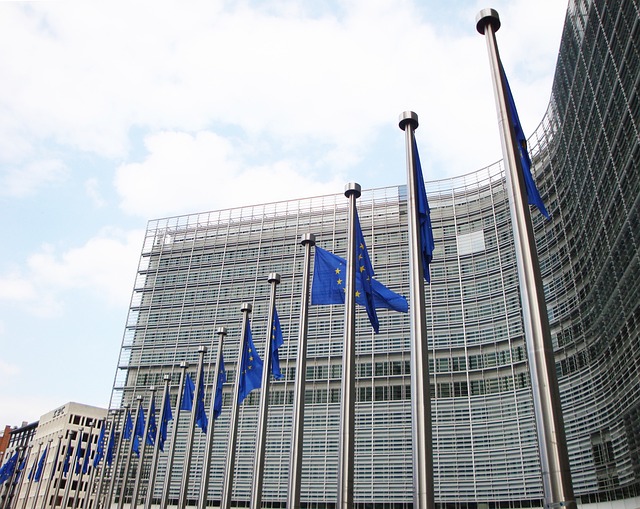
The EU Commission’s call for member states to align policies with increasing life expectancies recognizes a pivotal demographic shift, with the imminent retirement of the ‘baby boomer’ generation. However, the Commission’s avoidance of concrete proposals, especially on contentious issues like raising retirement ages, reflects the delicate balancing act required in addressing the multifaceted challenges ahead.
As millions of skilled workers from the 1950s and 1960s era approach retirement, European nations face a daunting task of replenishing their workforce amidst existing labor shortages. The trends of declining birth rates, rapid aging, and a diminishing working-age population, as noted by European Commission Vice-President Dubravka Šuica, underline the urgency for proactive measures. The strain on companies and public budgets intensifies as pensions decrease while the number of retirees grows.
Šuica’s list of potential countermeasures, emphasizing the optimal use of existing human capital, underscores the need for innovative solutions. A focal point is the facilitation of women’s entry into the labor market through improved childcare facilities. The recognition of eight million women currently out of the workforce as untapped human potential emphasizes the significance of gender-inclusive strategies in addressing labor market challenges.
The Commissioner’s acknowledgment of increased life expectancy as a social advantage opens up discussions on the untapped potential of older workers. While highlighting the desire of many to continue working, she points out the inflexibility of current systems. However, the Commission treads cautiously, avoiding more controversial proposals like a general increase in retirement age to avert potential societal backlash, as witnessed in France.
The Commission’s report, while listing measures already in practice across EU countries, remains somewhat vague, allowing member states flexibility in adopting approaches tailored to their specific circumstances. This recognition of the diversity of challenges faced by individual nations underscores the complexity of the demographic shifts and the need for nuanced, context-specific solutions.
Importantly, the issue of immigration is acknowledged as a vital component of the overall strategy. Šuica’s emphasis on legal migrants and the separation of refugees and asylum seekers from labor market immigration aligns with the broader policy discussions on migration. The cautious approach stems from the need to balance the economic benefits of skilled migration with concerns about potential brain drain in countries of origin.
In navigating these complexities, the Commissioner envisions a balanced approach, promoting not just brain gain but also brain circulation and cross-fertilization. This perspective recognizes the potential positive impact of skilled workers returning to their home countries after a period abroad, contributing to the overall development and improvement of their nations of origin.
The EU Commission’s call for member states to adapt to changing demographics reflects a recognition of the multifaceted challenges posed by an aging population and shifting workforce dynamics. The emphasis on flexibility and a tailored approach acknowledges the diverse nature of these challenges across European nations, reinforcing the need for nuanced, context-specific solutions to ensure a sustainable and dynamic future.